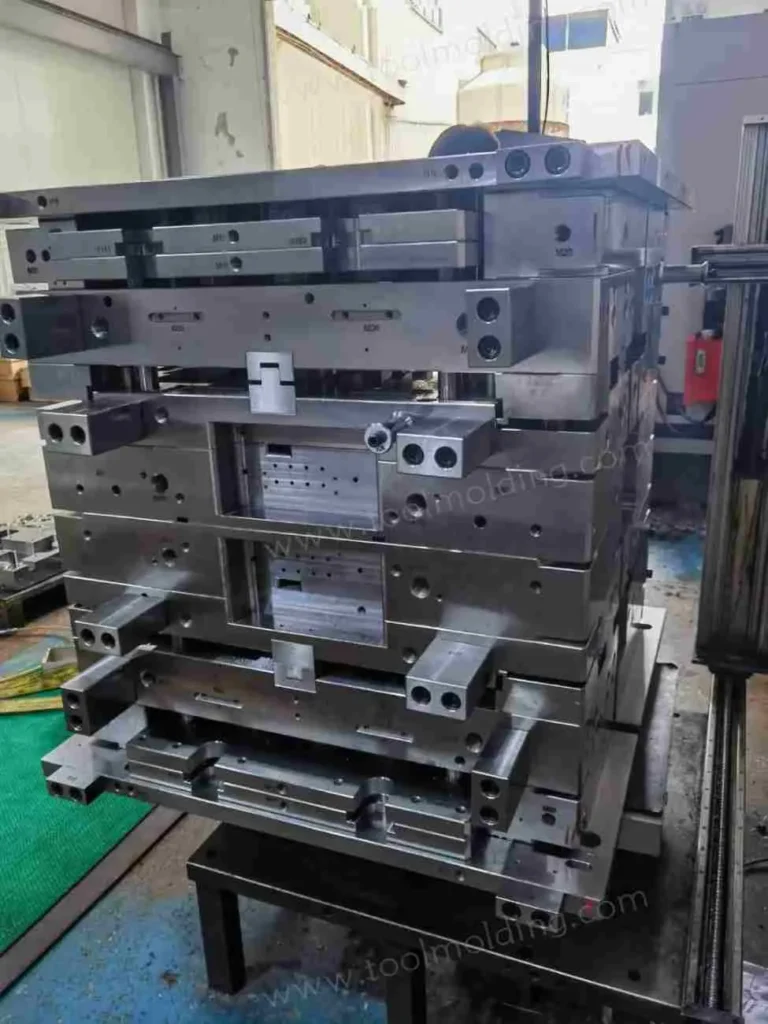
Large Size Mould Base
Large Size Mould Base Manufacturing That Builds Confidence Into Every Component
Large moulds require more than just big machines. They require precision, strength, and a manufacturing partner who understands your vision.
As your production requirements increase, every detail of tooling becomes important. From precise alignment to reliable structural support, your Large size Mould base is essential to the performance, consistency, and reliability of your moulding operations. The right manufacturing approach helps you create tooling that meets your specifications, supports demanding applications, and gets your production process ready for what comes next.
At Molding Tool, you can access integrated manufacturing solutions built around your project requirements. With mould making, CNC machining, injection moulding, and engineering assistance all available through one platform, you can move from design to production with greater clarity and confidence.
Your design sets the direction. Precision manufacturing makes it a reality.

Need a Large Size Mould Base That Meets Your Exact Specifications?
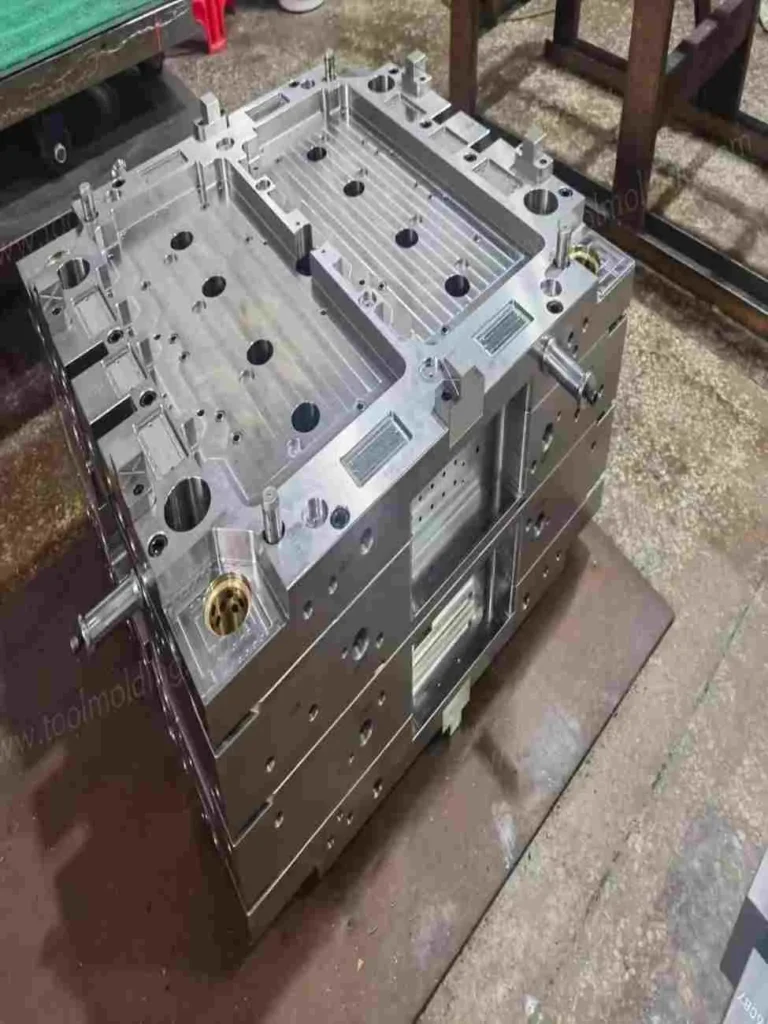
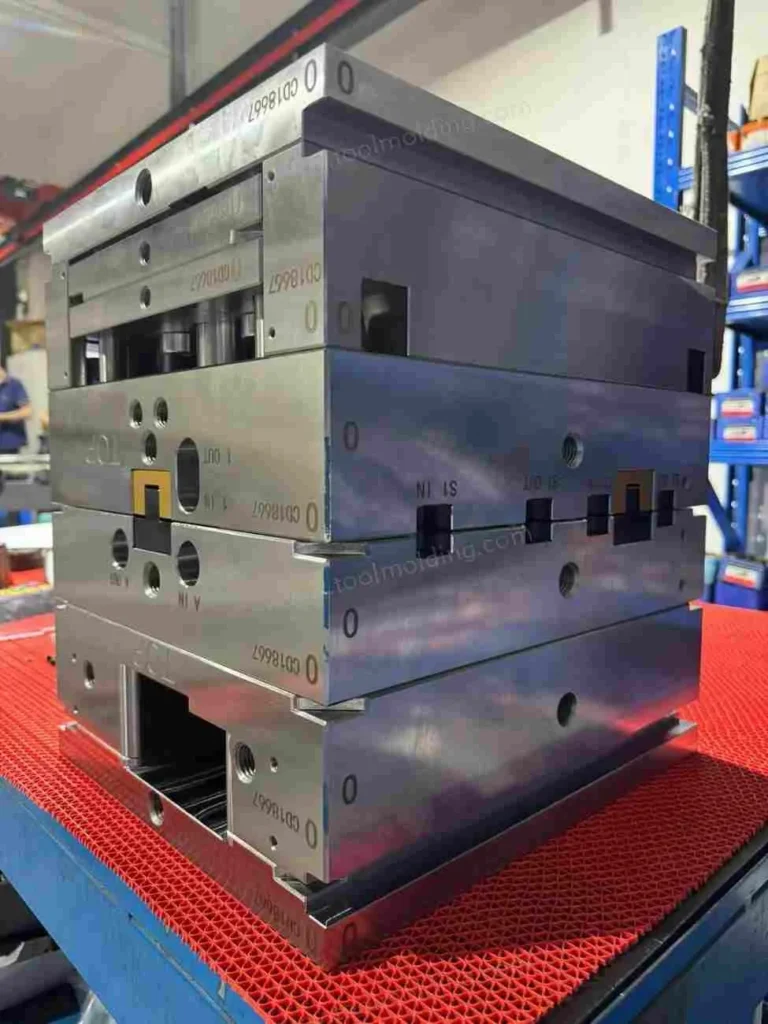
Large moulds leave little margin for compromise. Their dimensions, weight, component interfaces, and alignment requirements demand careful engineering and precise machining at every stage. A precision-manufactured Large size Mould base forms the foundation for assembling essential mould components in their intended positions. Accurate guide systems, mounting surfaces, and component interfaces help enable smooth assembly and reliable mould operation. However, precision is not only about measurements. It is about how each component fits together and performs under real production conditions. Your application may call for customised dimensions, specific steel grades, tightly controlled tolerances, or machining customized to the complex tooling design. Addressing these requirements early can help reduce fitting difficulties, prevent unnecessary rework, and support a more predictable manufacturing process. At Molding Tool, you can discuss your drawings, material preferences, and technical requirements to determine a suitable manufacturing approach for your project. The right foundation makes every subsequent step easier.
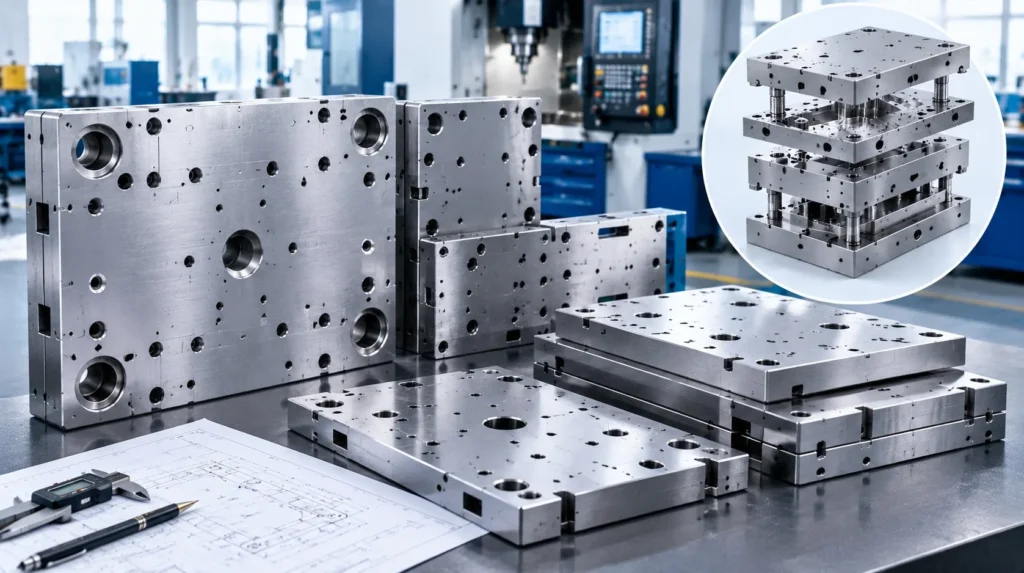
Large Size Mould Plates That Bring Every Detail Together
How well your mould performs depends on more than just its overall structure. The precision of each individual component can affect how well the entire assembly fits together and functions.
Large size Mould plates offer structural support and mounting interfaces for the components that make up your tooling system. Depending on your design, they may need specific thicknesses, accurately positioned holes, flat surfaces, and carefully machined edges.
Even small deviations can cause problems when large plates have to align with other precision-machined components. That is why your plate manufacturing requirements deserve attention right from the start. Material selection, machining strategy, dimensional tolerances, and inspection criteria should all mirror the intended application.
With CNC machining capabilities, Molding Tool supports the production of custom components in line with defined engineering specifications and manufacturing feasibility.
Whether you need plates for a new tooling assembly or replacement components for an existing mould, a clear grasp of your requirements helps set the right path from design to finished part.
Precise plates. Assemblies that fit better. More confidence in production.
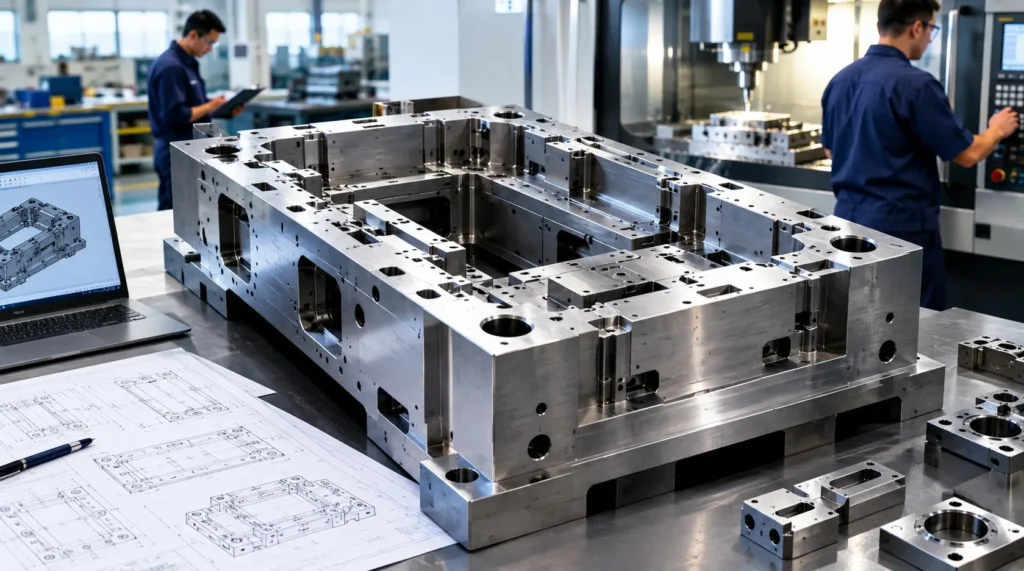
Build Reliability Into Every Large Size Mould Frame
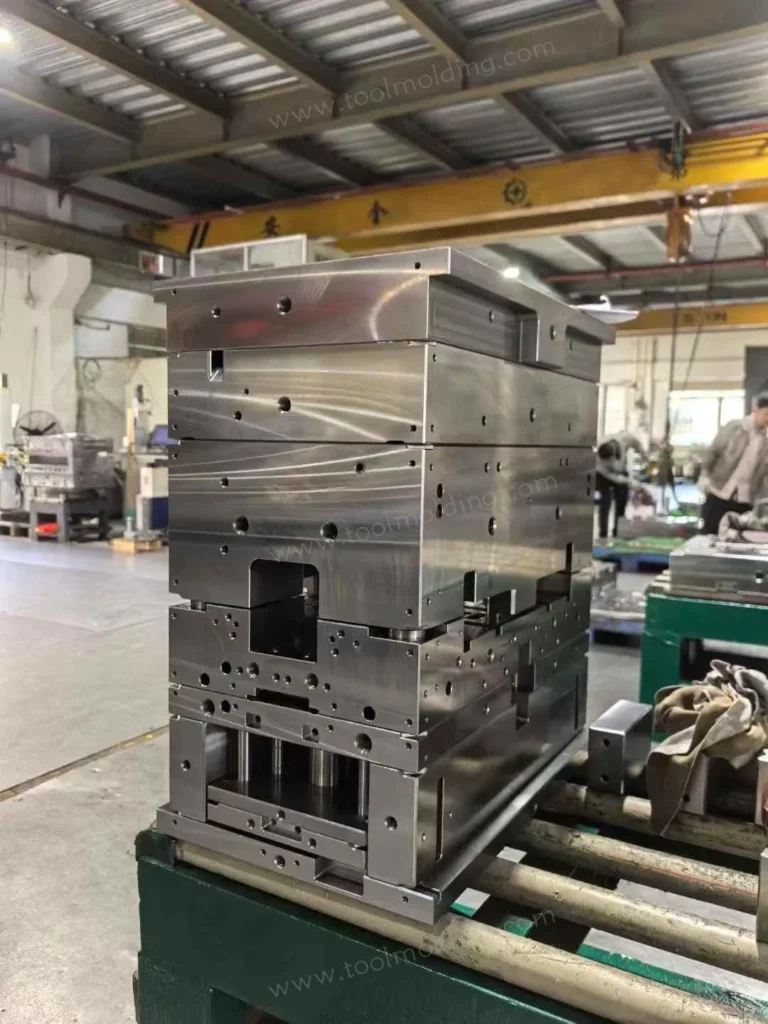
As your mould grows larger and more intricate, the way its structure is arranged matters even more. A Large size Mould frame supplies the structural base that holds and supports the key mould components. Its design has to take into account where components are positioned, mounting needs, structural stability, and the interfaces required for assembly.
Your project may call for customised frame dimensions, specialised openings, particular mounting arrangements, or connections to other machined components. Every feature must be compatible with the overall tooling design.
Moreover, a well-planned manufacturing process lets you handle these details before machining starts. Reviewing drawings, verifying critical dimensions, and assessing machining accessibility can help you spot potential issues early.
Molding Tool’s mould-making and CNC machining services offer a starting point for discussing custom tooling requirements, including the manufacturing considerations that come with larger components.
The goal is simple: a frame built to your specifications, with the dimensional accuracy and component compatibility your application demands.
Because a strong mould begins with a well-planned structure.
Large Size Turning & Over Size Turning for Components Beyond Standard Dimensions
Certain manufacturing challenges relate to more than just complexity. They relate to size.
If your components have large diameters, extended lengths, cylindrical surfaces, or specialised rotational geometries, standard machining setups might not be appropriate. This is exactly where Large Size Turning & Over Size Turning comes into play for your project requirements.
Turning operations can create rotational features including shafts, bores, shoulders, and cylindrical surfaces. For oversized workpieces, choosing the right equipment and planning the machining sequence is particularly important.
The dimensions, material, tolerances, surface-finish requirements, and weight of your component all affect manufacturing feasibility. Correct support and setup also help to manage vibration, deflection, and dimensional consistency during machining.
Due to Molding Tool’s wider CNC machining capabilities, you can review your component drawings with us and work out the right manufacturing route for your specific application. Before production, oversized turning requirements should be checked against the available machine capacity and technical specifications.
Large components. Clear specifications. A manufacturing plan tailored to your needs.
Why Choose Molding Tool for Your Tooling Project?
Locating a supplier is simple. Locating a manufacturing partner who grasps your requirements and can handle several stages of production is much more valuable.
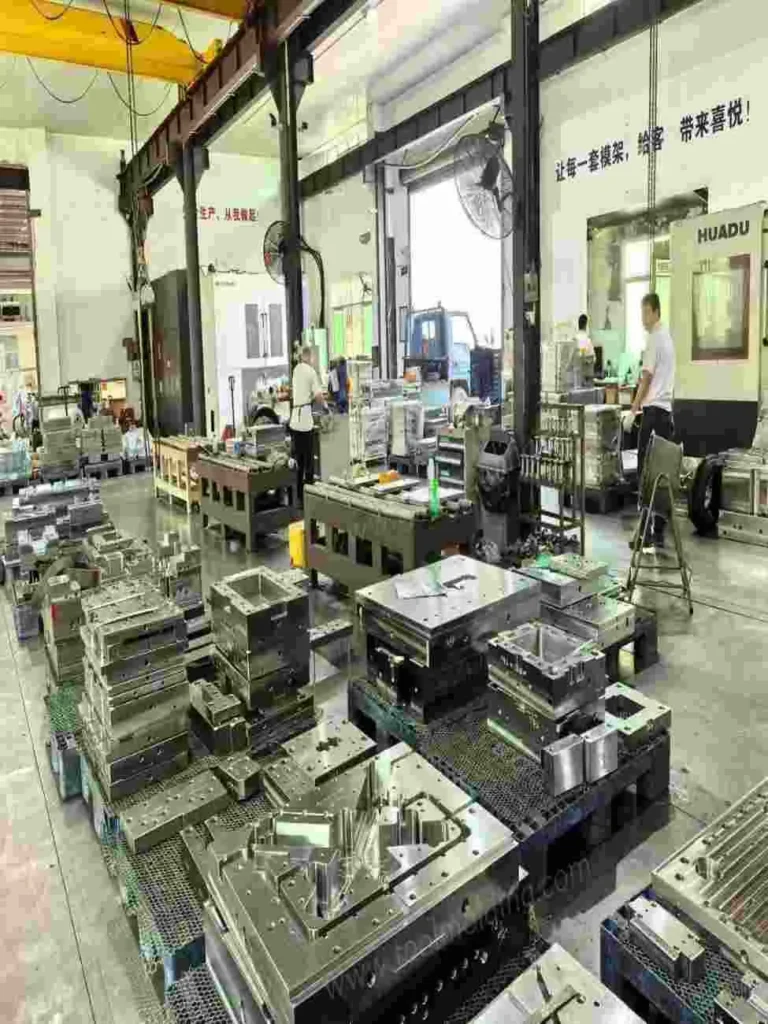
Molding Tool unites various manufacturing services on one integrated online platform, so you can manage your project without the unnecessary hassle of coordinating multiple suppliers.
One Manufacturing Partner, Multiple Capabilities
Your project might involve mould making, CNC machining, injection moulding, prototyping, or large-scale production. Combining these services can streamline communication and help establish a more coordinated manufacturing workflow.
Engineering Assistance That Helps You Make Informed Decisions
Your drawings serve as the starting point. Engineering discussions can help clarify material choices, tolerances, design considerations, and manufacturing feasibility before production starts.
This early collaboration helps you grasp key decisions and spot potential improvements before they turn into costly problems.
Production That Can Grow With Your Business
Not every project begins with a large order. You may need a prototype first, then a small production batch, and eventually high-volume manufacturing.
Molding Tool supports on-demand custom parts production, ranging from individual components to orders exceeding one million parts, subject to project requirements and process suitability.
Tooling Designed for Long-Term Performance
Molding Tool produces steel and aluminium injection moulds, die-casting moulds, and precision stamping tools. Its published capabilities include advanced tooling processes aimed at improving delivery efficiency, along with certified mould lifecycle management that supports durability and consistent performance.
From Your First Drawing to Production: Keep the Process Simple
Step 1
Provide Your Design. Send us your CAD files, technical drawings, or preliminary project details, along with dimensions, materials, tolerances, and the quantities you need.
Step 2
Assess Technical Feasibility. Talk through the design, the manufacturing process, the critical features, and any factors that could influence production.
Step 3
Verify Your Requirements. Before you approve the project, go over the quotation, material specifications, expected lead time, and inspection criteria.
Step 4
Begin Manufacturing. After the specifications are confirmed, production can move forward in line with the agreed manufacturing plan and project scope.
Step 5
Get Ready for Assembly and Production. Finished components can advance to the next stage of your workflow, in line with the agreed inspection and delivery requirements.
Thus, a clearly defined process gives you greater visibility into your project and helps ensure that expectations stay aligned.
Ready to Turn Your Tooling Requirements Into Reality?
Your moulding project deserves more than an off-the-shelf solution. It deserves thoughtful planning, suitable manufacturing capabilities, and a partner that treats your specifications with seriousness. Whether you need a Large size Mould base, Large size Mould plates, a Large size Mould frame, or components requiring Large Size Turning & Over Size Turning, Molding Tool provides an integrated starting point for your manufacturing needs. With mould making, CNC machining, injection moulding, and engineering assistance all available through a single platform, you can explore a manufacturing approach that suits your design, quantity, and production goals. Your next project begins with a single clear step. Visit Molding Tool to share your drawings, discuss your requirements, and request a quotation for your custom tooling project. Bring us your specifications. Let’s examine how to produce them with precision.
Frequently Asked Questions
What is a standard mould base?
A standard mold base is a mass-produced, pre-engineered steel assembly that acts as the structural foundation and framework for injection molding tools. It contains internal components such as the core, cavity inserts, runner systems, and cooling channels, though it does not directly take part in shaping the plastic product itself.
How to make a large mould?
To build a large mold, construct a rigid containment box, secure your master object, and apply a brush-on or multi-layer pouring technique using liquid silicone or polyurethane rubber.
What is the standard size of a brick mould?
The standard size of a brick mould depends on whether you are referring to a casting mould (used to form concrete or clay bricks) or to exterior door/window trim (known as brickmould).
What are the standard sizes of DME mold bases?
DME standard mold bases come in 43 nominal sizes, from 7.875 × 7.875 inches up to 23.75 × 35.5 inches (with plate thicknesses ranging from 7/8 to 5-7/8 inches).
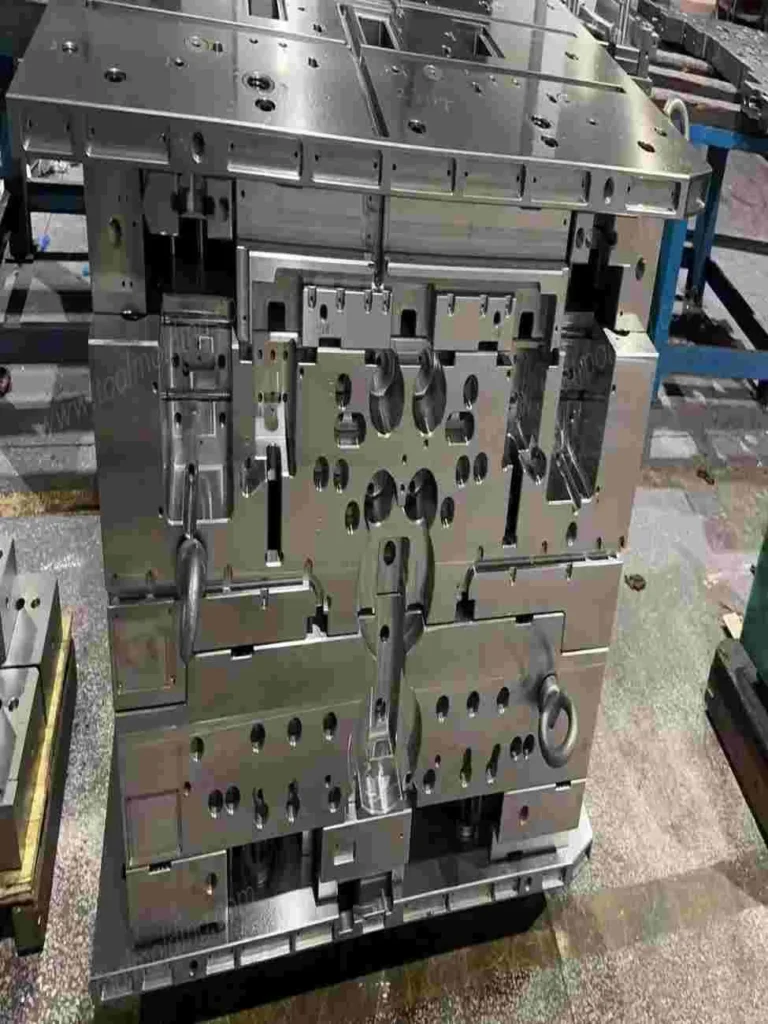
Customized Plastic Mold base
Die casting Mold base
High precised mould base5
Automobil-Formgrundkörper
Automotive mould base
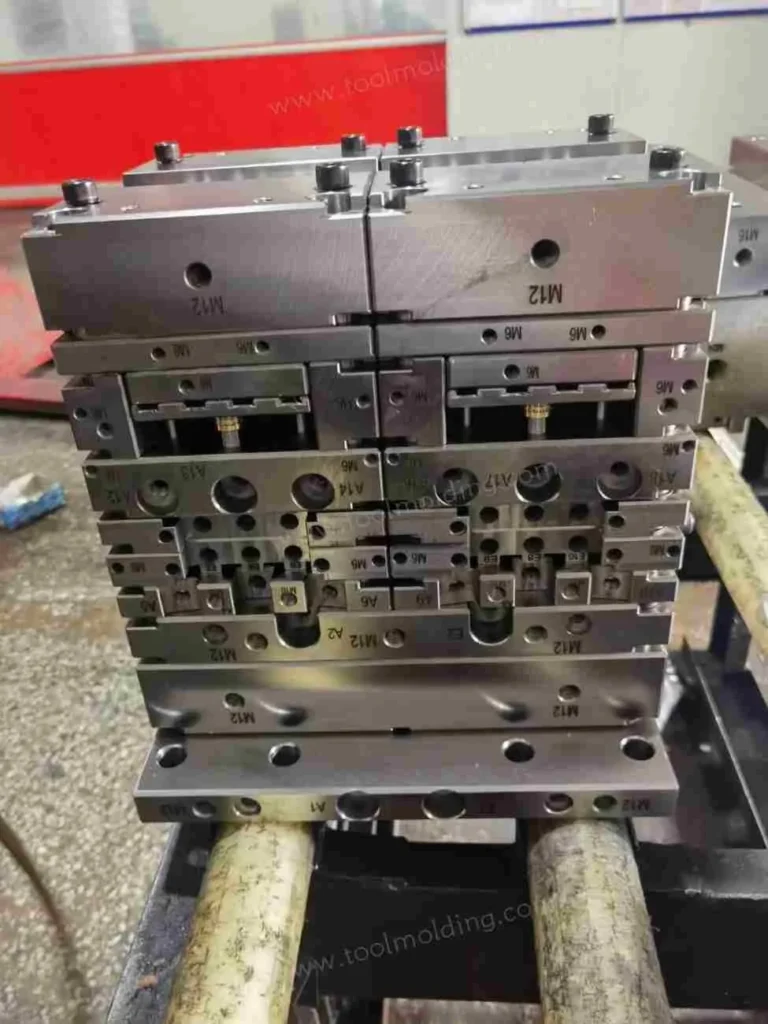
Customized Mould base
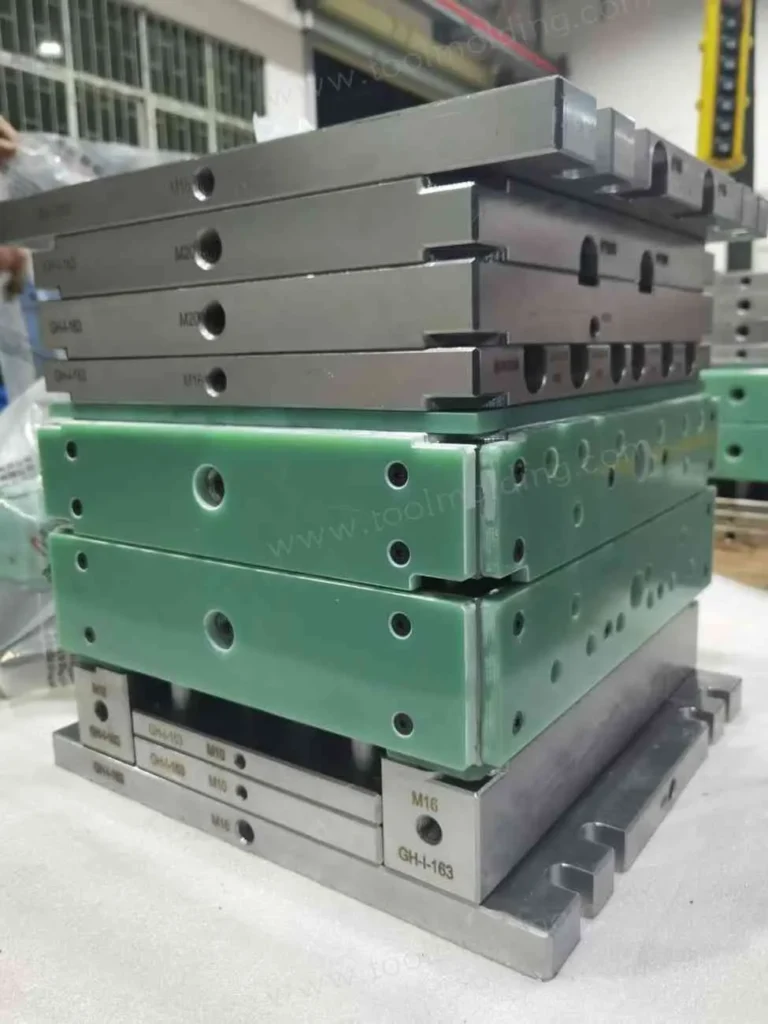
High precised mould base6
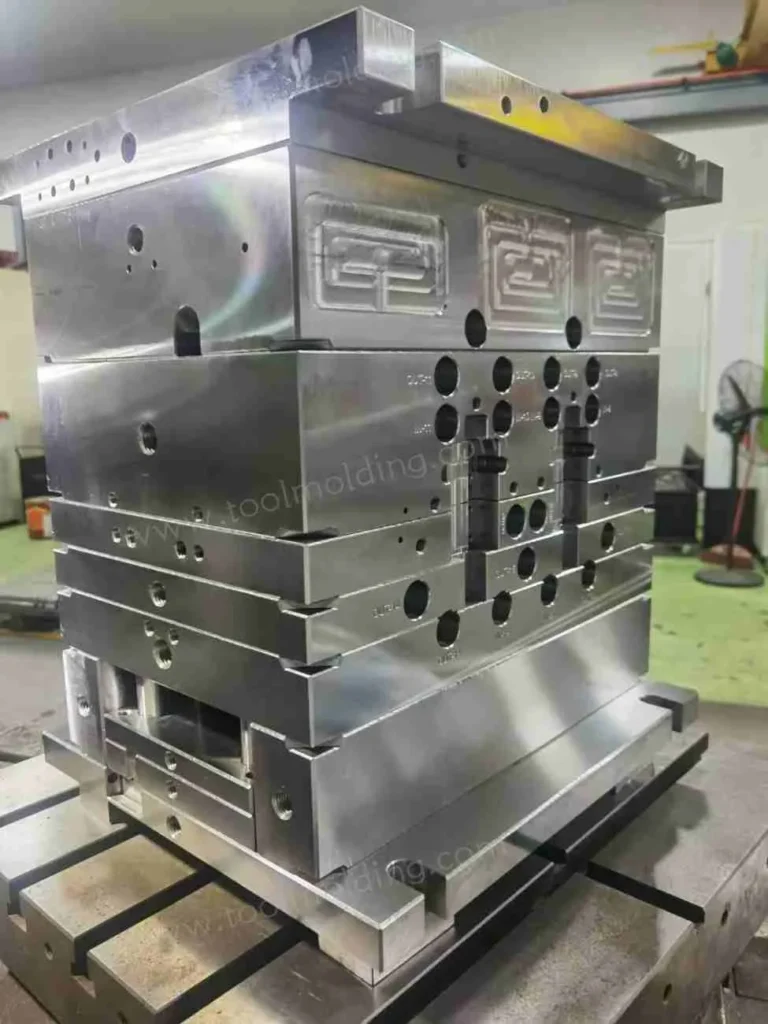
High precised mould base14
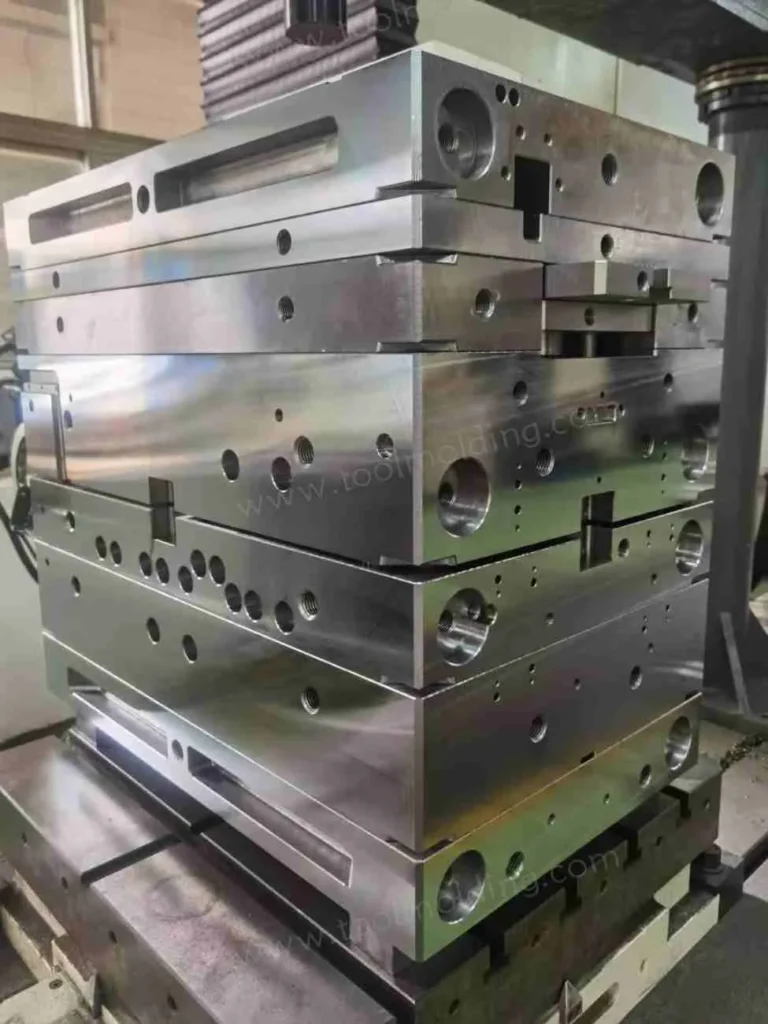
High precised mould base15
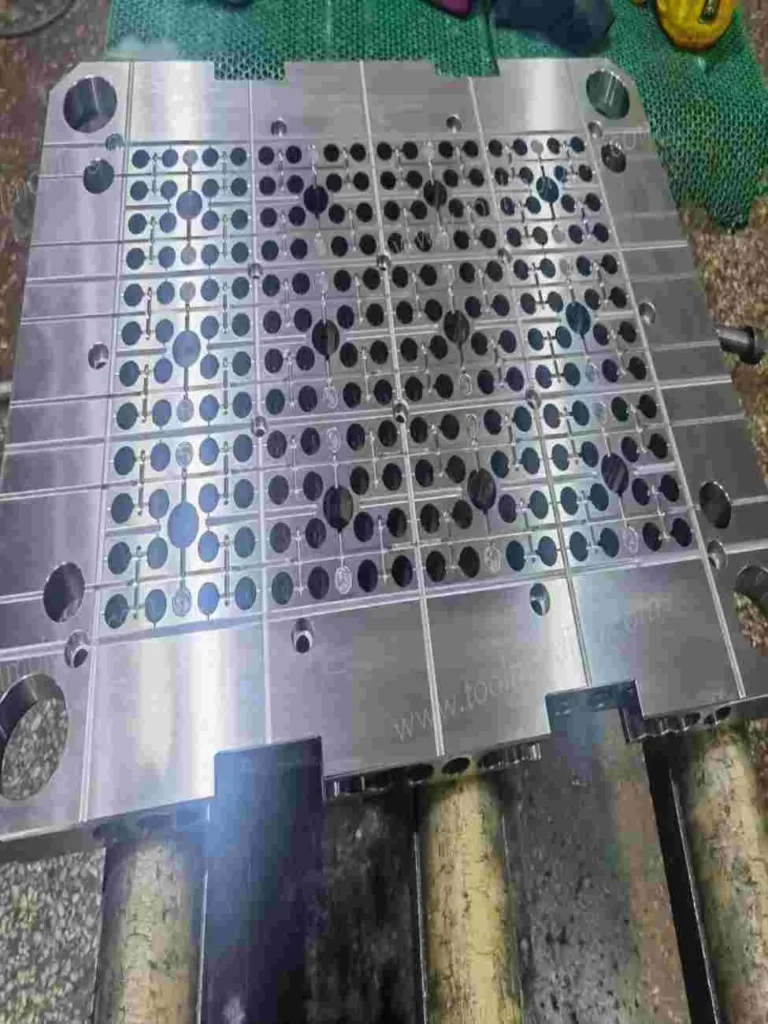
Large mould base
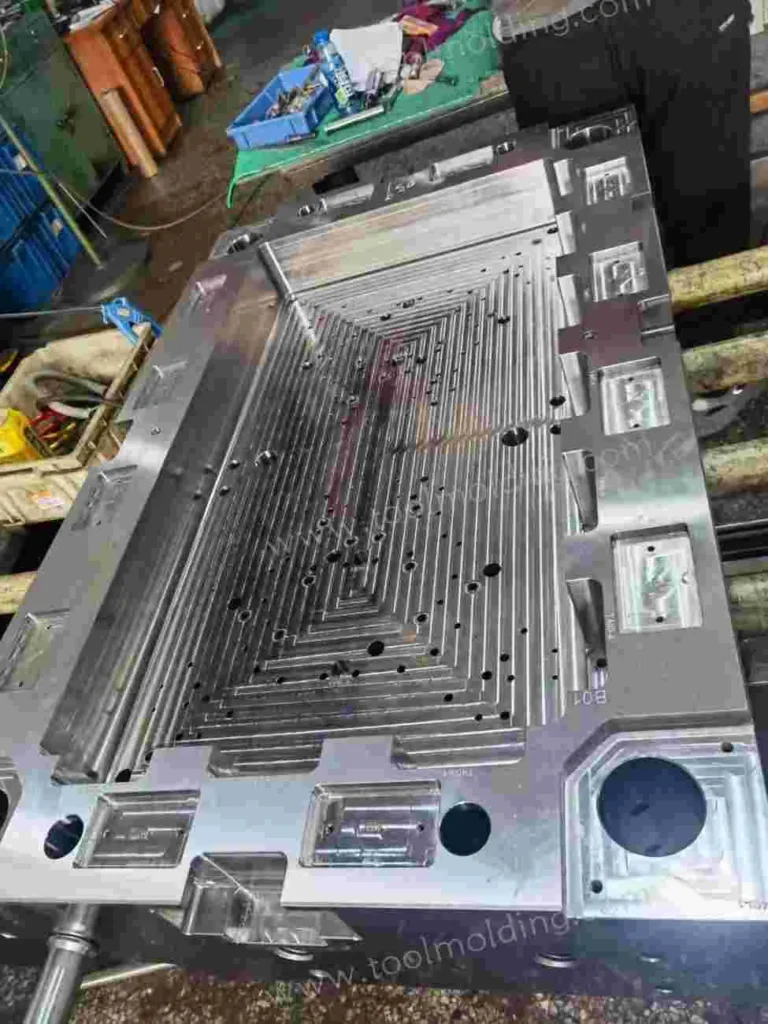
Large Size Mold Base
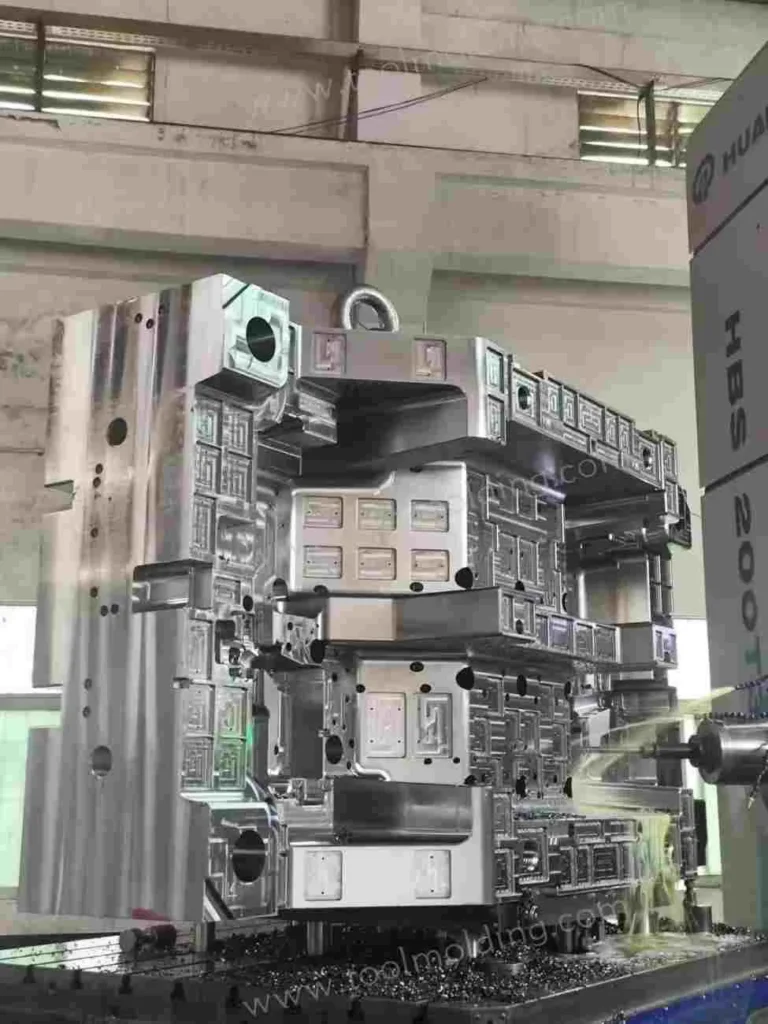
Large Size Mould Base
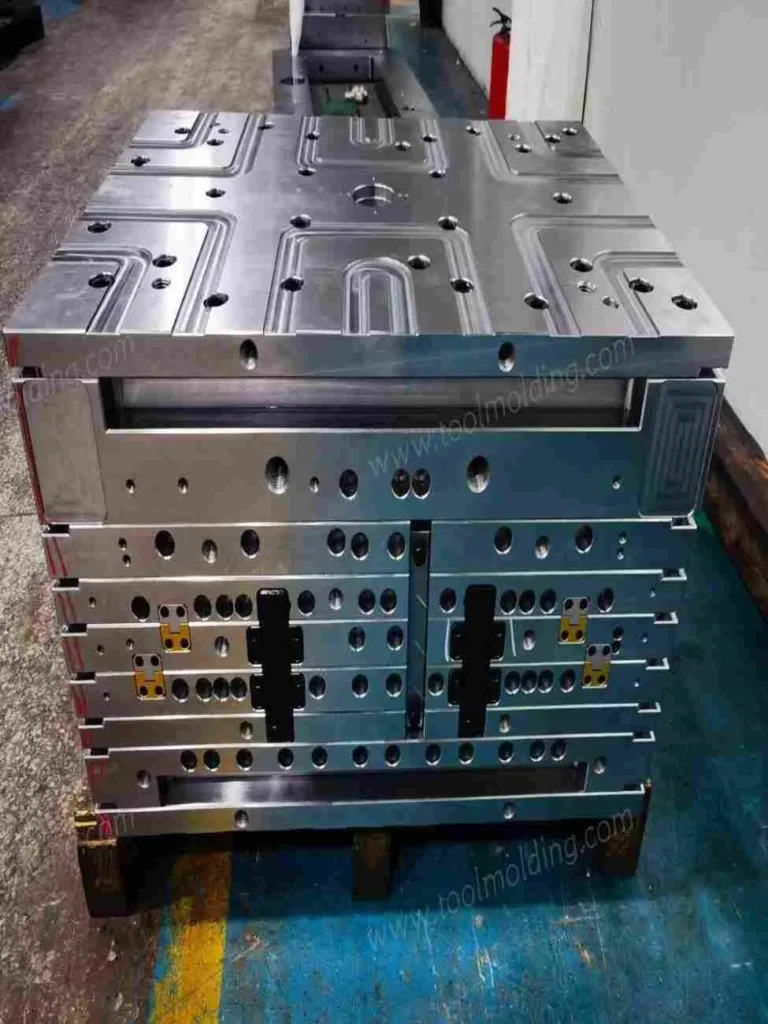
Plastick Mould Base

Sonder-Formgrundkörper